

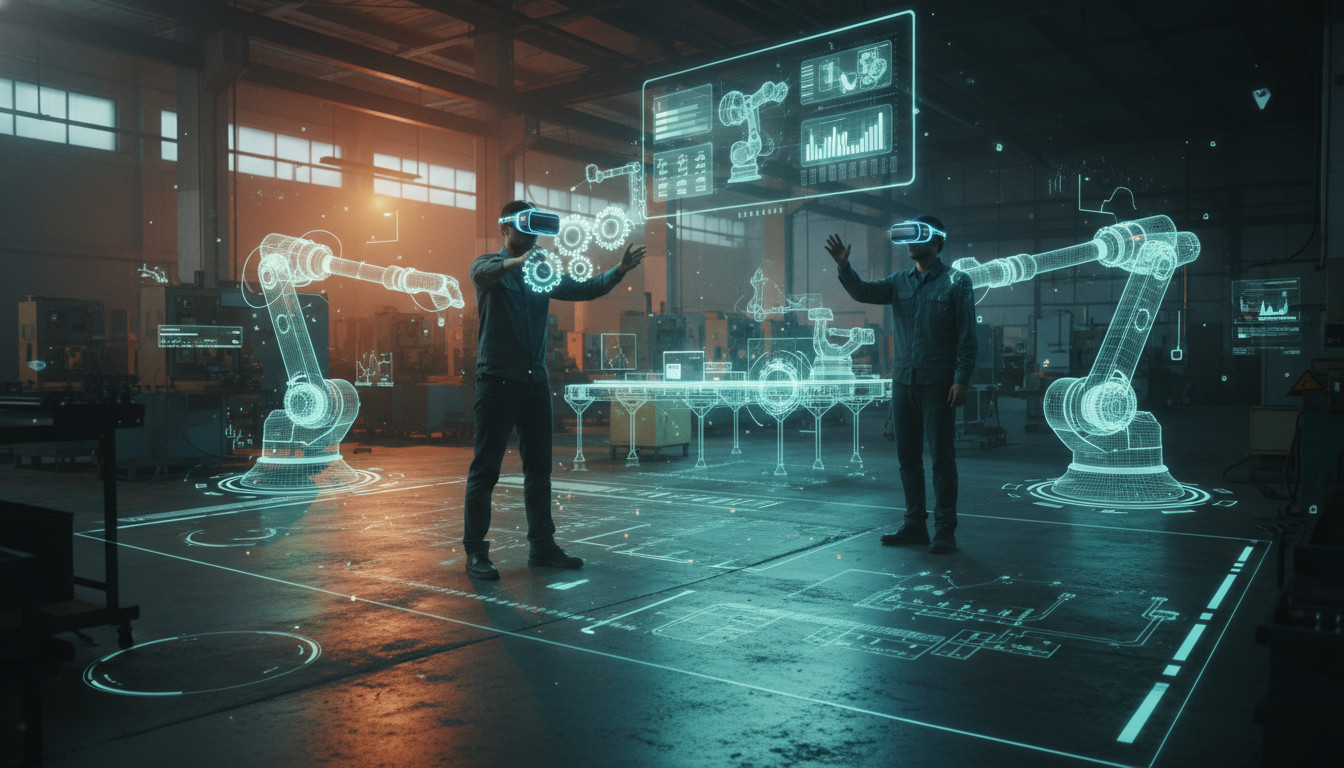
Zero Incidents. Zero Downtime. Maximum Readiness.
Training on live industrial assets is dangerous and causes costly production downtime. Soft-skills training often lacks the realism needed for true behavioral change. ABS deploys consequence-based VR and AI-powered content tools that train your workforce without ever touching live equipment.
When Real Training Is Too Dangerous to Simulate
Industrial training on live assets carries genuine risk — to personnel, equipment, and production continuity. A single training session can force costly shutdowns, restrict access for operational teams, and require specialist travel that scales poorly across global sites.
Soft-skills training — leadership, de-escalation, high-consequence decision-making — rarely creates the psychological realism required for lasting behavioral change. ABS deploys consequence-based simulation and AI-powered content generation to close the gap between classroom instruction and real-world performance.
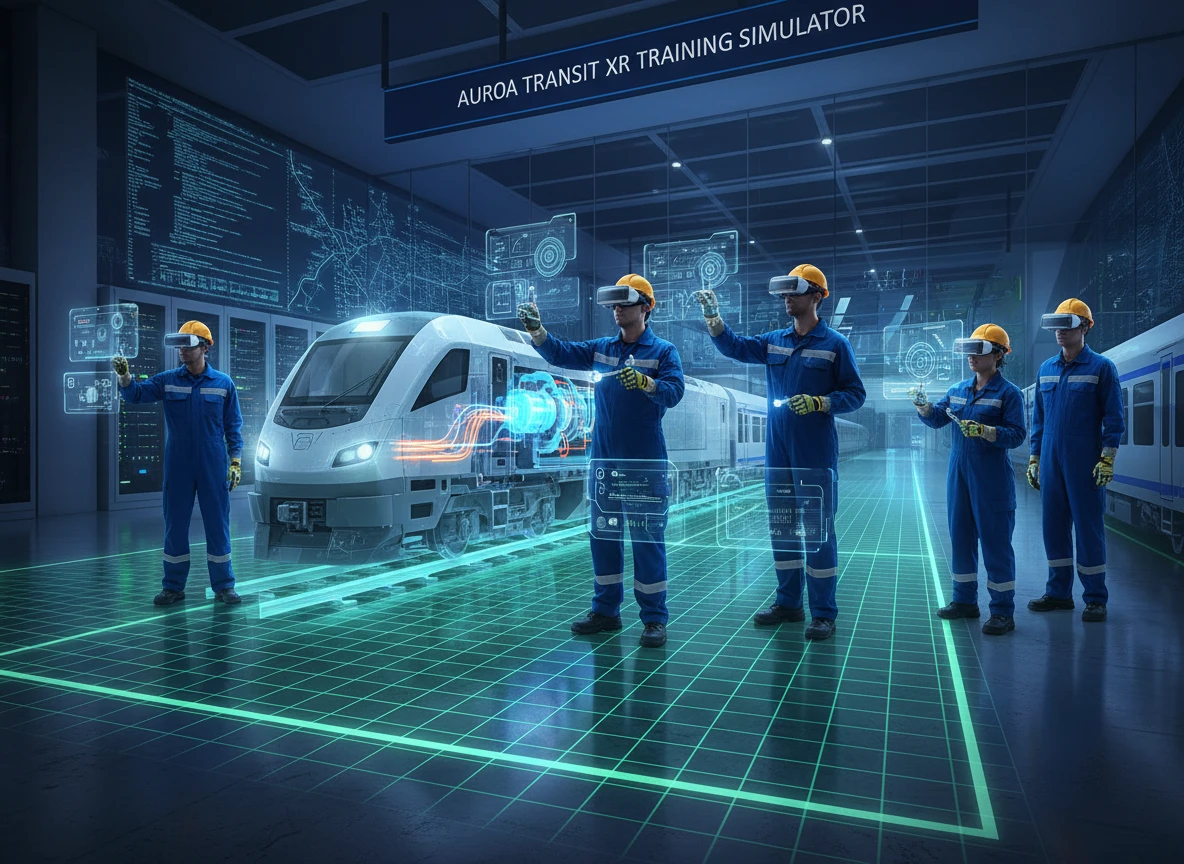
The Performance Numbers That Matter
Validated results across rail safety, logistics, energy, and corporate training environments globally.
Two Platforms, Built for the Frontline
Consequence-based simulation and AI-powered content generation — purpose-built for industrial safety, technical training, and behavioral change at scale.
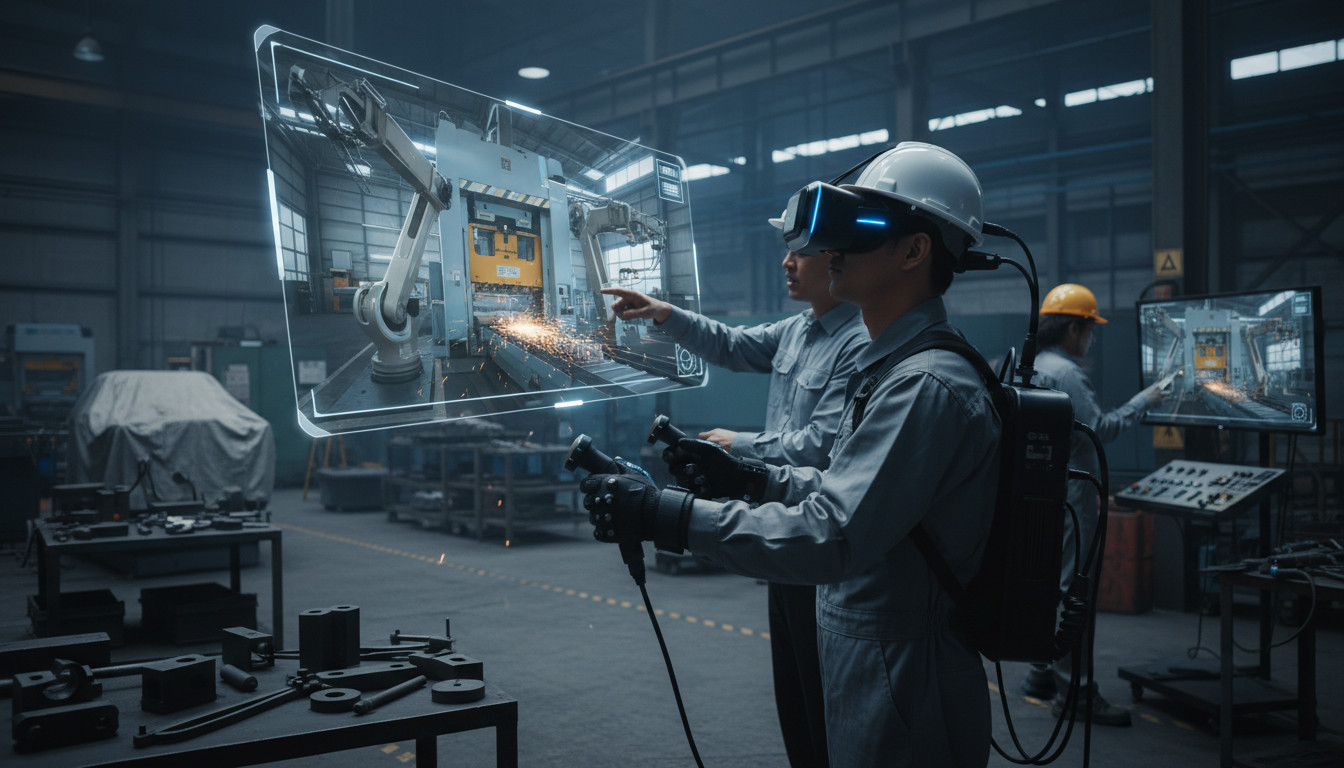
Consequence-Based Safety Training
Workers experience the visual and physiological results of a safety error — without actual harm. If a protocol is missed, the simulation triggers a visceral incident response that creates a lasting psychological anchor for the trainee.
- High-fidelity virtual industrial and rail environments
- Hazard identification with visual consequence sequences
- Forklift, heavy machinery, and pedestrian safety modules
- 100% higher engagement vs. video-based training methods
AI-Powered 3D Training Content
Automated 3D content generation that turns technical manuals, PDF documents, and equipment specifications into interactive AR maintenance guides and training modules — without specialist 3D teams.
- Instant AR guide creation from existing documentation
- Step-by-step equipment maintenance walkthroughs
- Multi-language and multi-device delivery at scale
- Reduces expert travel for distributed global workforces
Proven on the Frontline
Real deployments in rail, logistics, and high-risk industrial environments — with measurable safety and efficiency outcomes.
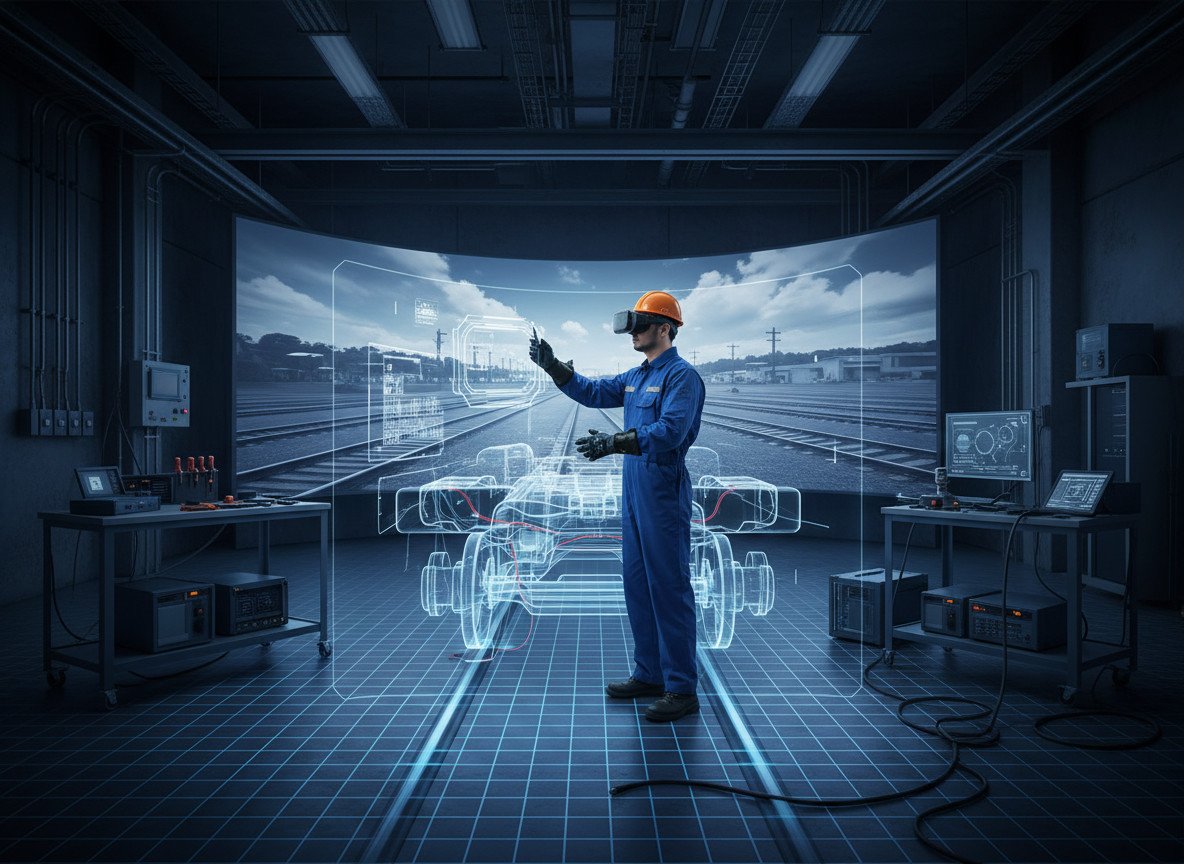
Consequence-Based Rail Safety Training
- Rail maintenance is one of the highest-risk industrial environments. Classroom-based safety inductions failed to translate into real-world behavior — workers couldn’t feel the danger of high-voltage tracks or moving heavy machinery.
- Maintenance crews were placed on a virtual track where missed safety protocols triggered a visual and auditory “incident” — creating a visceral psychological anchor for the trainee without any physical risk.
- Safety ↑ — Measurable drop in on-track incidents across trained workforce
- Engagement ↑ — 100% higher engagement vs. video-based safety induction
- Cost ↓ — Significant reduction in track closures and live-site trainer requirements
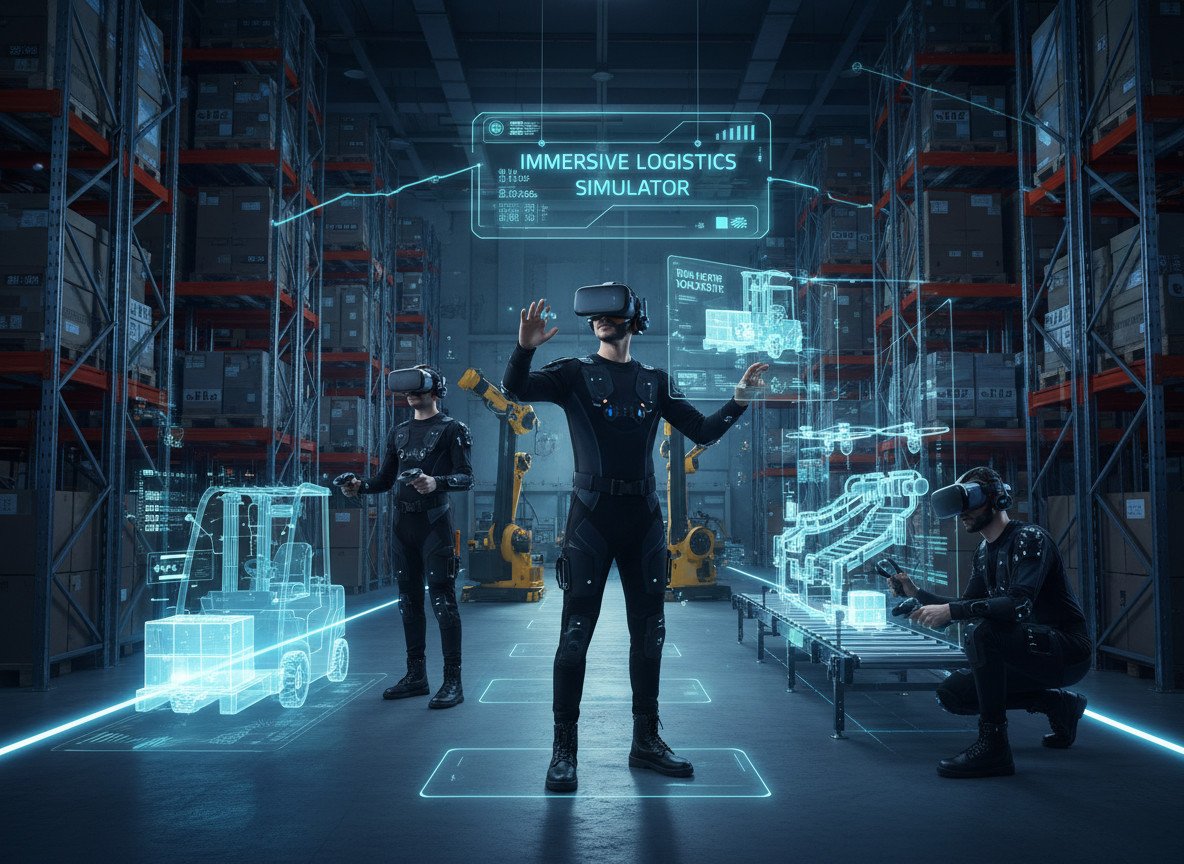
Standardized Safety at Global Warehouse Scale
- In massive fulfillment centers, forklift operations and pedestrian safety are constant risks. High staff turnover meant standardized safety training was nearly impossible to maintain at the speed of onboarding.
- Next World’s VR-as-a-Service standardized safety training across global sites. Trainees navigated busy warehouse aisles and identified blind spots from a “driver’s eye view” — experiencing the physical scale of equipment firsthand.
- Onboarding Speed ↑ — Significant reduction in time-to-competency for new warehouse staff
- Accident Rate ↓ — Measurable decrease in forklift-to-pedestrian near-miss incidents
- Consistency ↑ — Every employee received the same high-quality safety briefing, globally
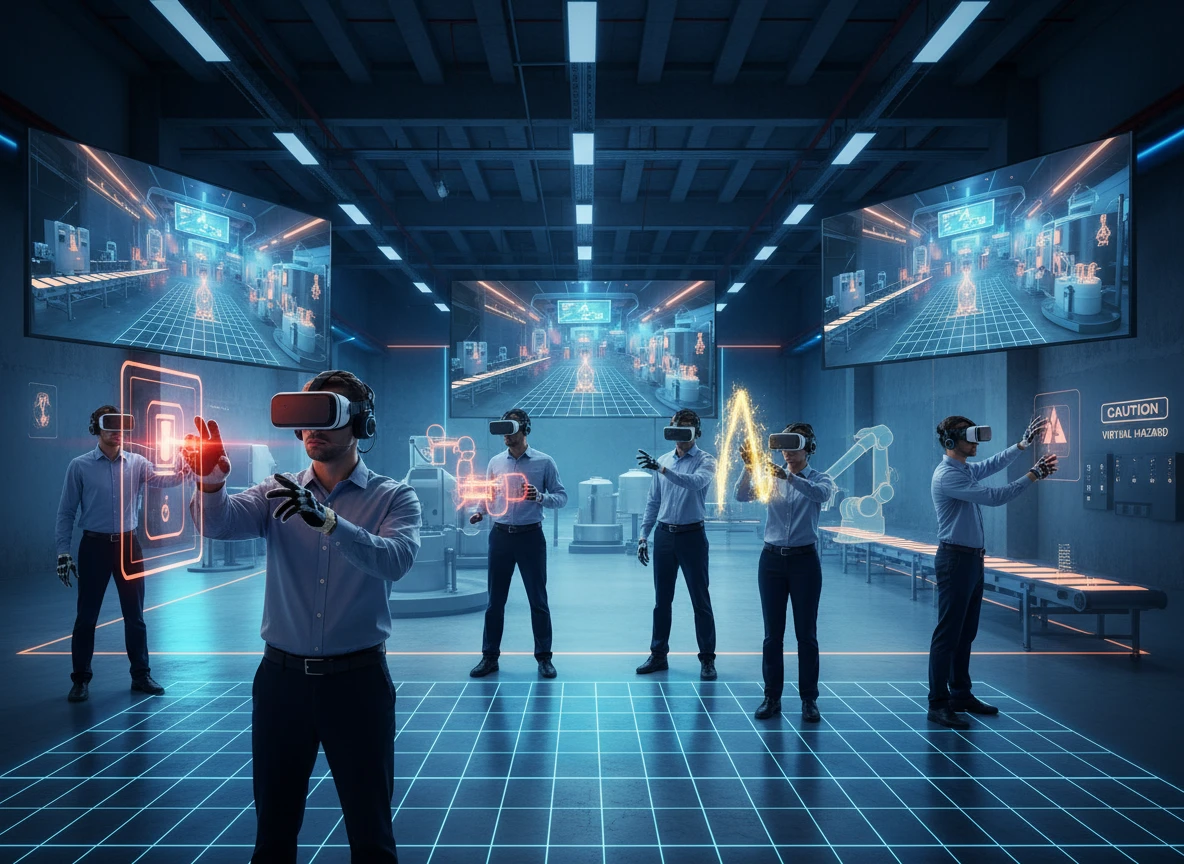
Train Smarter. Risk Less. Perform Better.
From consequence-based safety simulations to AI-generated AR maintenance guides, ABS delivers industrial training that protects your people — without ever touching live equipment. Let’s discuss your workforce requirements.